Precision Fixtures, Jigs and Mould Components: Where Custom Machining Matters Most
The problem: the fixture is the part that decides whether the other parts work.
A machined part that is a little out of size may still work. A fixture that is a little out, or a mould insert that does not fit its pocket, does not work at all. That is the customer’s real problem in this case: a fixture that does not hold a part in the same place every time, a jig that does not position it, a clamp that loosens. Production slows, parts are rejected, and the doubt is whether a new fixture will repeat any better than the last one. The answer is not to buy a tighter standard part. Fixtures, jigs and mould components are bought by fit — their value is not the part itself, it is holding, positioning or forming something else exactly where it has to be. A buyer who has already tried a standard clamp and found it does not repeat is not looking for a catalogue. They are looking for a fixture made to their drawing, to the faces that touch their part.
A fixture that does not repeat stops production, not just one part.
When a fixture lets a part move, the fault does not stay in one piece. Every part that passes through the fixture inherits the same error, and the line stops while the cause is found. In wire bonding, where the work is small and the positions are exact, a fixture that does not hold is not a nuisance — it is a rejected batch. The cost of the fixture is small next to the cost of the parts it spoils. That is why the case for a custom fixture is made on repeatability, not on price: a fixture that holds in the same place every time is worth more than a cheaper one that does not.
What your drawing has to say.
First, the locating faces. The drawing names which faces locate the part, which faces clamp it, and which faces mount the fixture to the machine. Those are the dimensions to mark as critical, with the tolerance that applies to each. A fixture is judged by those faces, not by its overall size. Second, the tolerance and precision of the faces that touch the part. The faces that touch your part are the ones that decide whether it repeats. Their tolerance is stated on the drawing; the rest of the fixture is made to the general tolerance note. Third, the material. The drawing states the grade. If the material is still undecided, it is discussed before machining, not chosen for you without asking. Fourth, the mating dimensions. A fixture never works alone: it works with a part, a machine or a mould. The drawing, or the enquiry with it, has to give the dimensions of the thing it mates with, or the fixture cannot be made to fit it. The same rule holds for the surface treatment and hardness: they are taken from the drawing, never assumed.
The evidence: a clamp ring, made to the faces that touch the part.
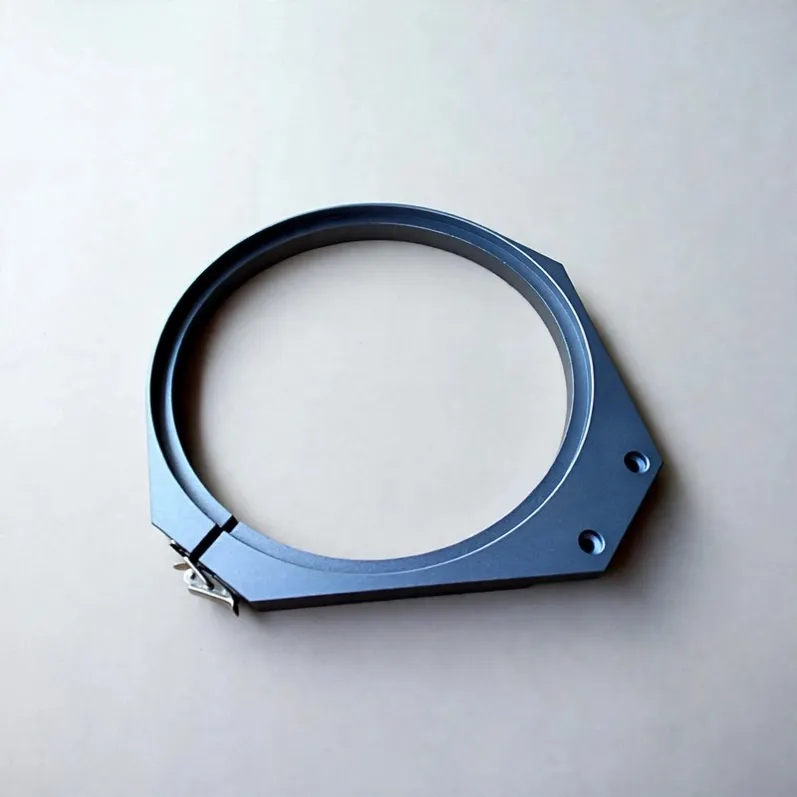
The Precision Clamp Ring for Wire-Bonding Equipment is a large dark-grey ring with a flat mounting ear and a small metal catch at its opening — a clamping and positioning ring for wire-bonding equipment. What makes it work is not its size; it is the faces that touch the part it clamps and the faces that mount it to the machine. Those are the dimensions to mark as critical on your drawing, as explained in Article 2. The ring is the evidence for the claim of this article: a fixture earns its keep by fit, and fit is decided by the drawing, not by the catalogue. The flat plate in the image below works the same way: a long flat steel plate with a large central hole and small slot holes at each end, made to locate and hold, where the hole positions are the dimensions that matter.
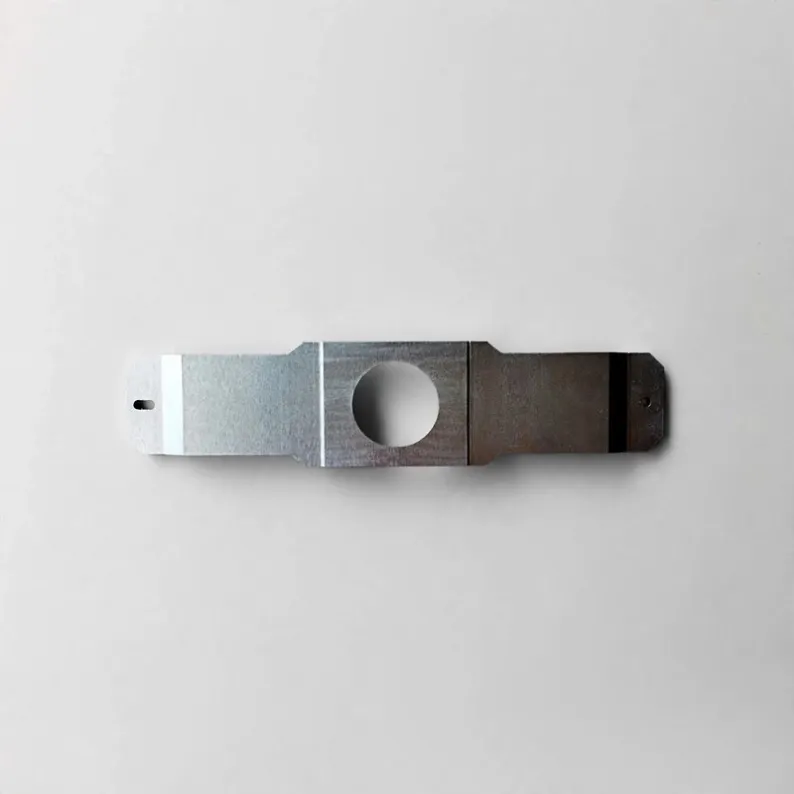
Custom-made to customer drawing. JST Machining provides precision CNC machining services. Send your drawing for a quote.
How the case was solved: holding, positioning, and checking the fit.
A fixture holds a workpiece while it is machined, assembled or bonded; a jig positions it. The drawing decides the locating faces, the clamping points and the tolerance of the faces that touch your part. The order runs the same four steps as the other cases: send the drawing, have it reviewed for manufacturability before quoting, machine it, and inspect it before delivery. The result is a fixture that holds in the same place every time it is used.
Mould components: the same rule, in a different pocket.
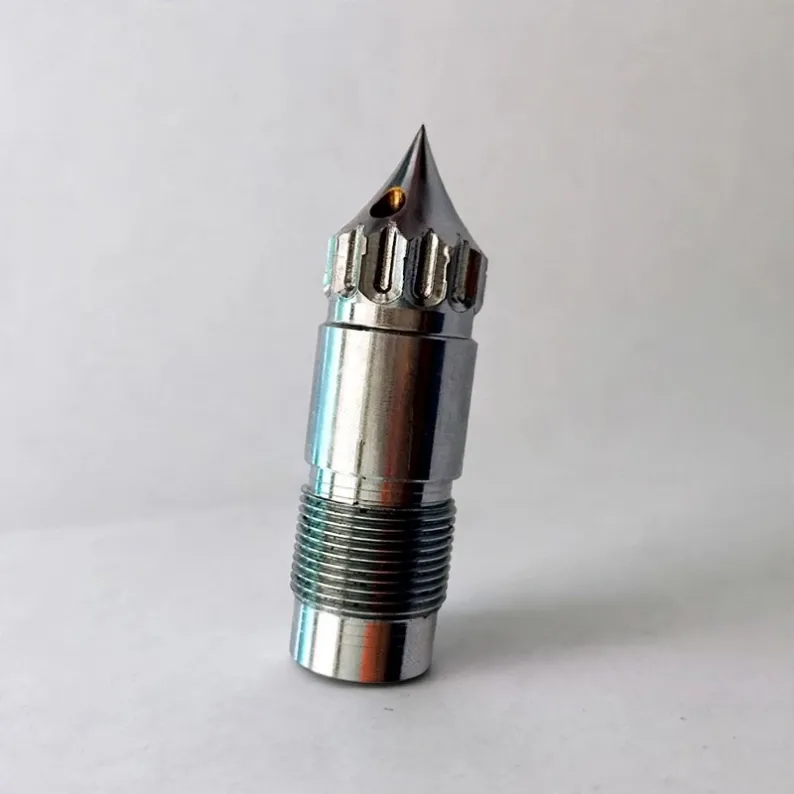
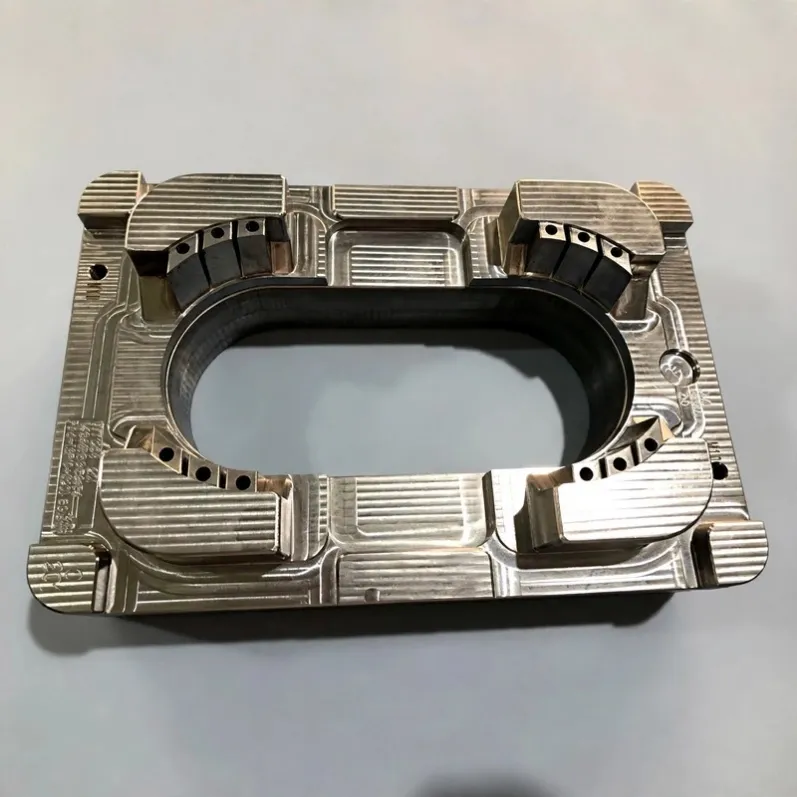
Mould inserts and accessories are machined to fit a specific mould. Their critical features are the forming surfaces and the faces that locate them in the mould — a small error in the wrong place shows up in every part that mould produces. JST makes these as part of its machining work, alongside the moulds made by JST Mould. See the Precision Mold Components category.
Automation, robotics and drones: small batches, revised often.
Machined parts for automation equipment, robots and drones are usually ordered in small batches and revised often. The same rule applies: the drawing, the material and the critical dimensions decide the part, and a change to any of them is a new part, not a tweak. Camera accessories fall in the same pattern — small, precise parts where fit matters more than size.
What to check before you order.
- Which faces are locating faces, and which tolerance applies to each.
- Whether the part works with another part, a machine or a mould — and what that mating part’s dimensions are.
- Whether the part will be used once or in production, and how many you will need.
- Whether surface treatment or hardness is on the drawing, or still to be decided.
FAQ
Q: My part is for a machine you have not seen before. Is that a problem?
A: No — the drawing and the mating dimensions are what matter. Send them with the enquiry.
Q: Is the fixture made for my part, or is it a standard part?
A: It is made for your part. We do not sell off-the-shelf standard parts — every fixture and jig is machined to the customer’s drawing.
Q: What do you need from me to make a fixture?
A: The drawing, with the locating faces, the clamping points and the dimensions of the part it has to hold. If it mates with a machine or a mould, send those dimensions too.
Q: How do you check that the fixture will hold the same way every time?
A: The faces that touch your part are marked as critical on the drawing, and the fixture is inspected against the drawing before delivery. Fit is decided by those faces, not by the overall size.
Q: Can you make mould components as well as fixtures?
A: Yes. Mould inserts and accessories are machined to fit a specific mould, and JST Mould makes the moulds themselves — so one group covers both.
Q: What happens if my part design changes after the fixture is made?
A: The fixture is made to your drawing, so a changed part needs a fixture made to the new drawing. Send the revised drawing and we will quote the fixture again from it.
If your part holds, positions or forms something else, start with the Precision Fixtures & Jigs category or Precision Mold Components category, then send the drawing via the Contact page or to info@jstmould.com. Tell us which faces locate the part and what it mates with — that is the information that decides whether the fixture will repeat, and it is the information we quote from.